Key Skills: Negotiating After a Home Inspection
In Summary:
- Negotiating after a home inspection is common and works best when requests are focused, evidence-based, and tied directly to inspection findings.
- Prioritize repairs that protect value and safety, then decide whether repairs, credits, or price adjustments make the most sense for your timeline.
- Clear addendums, written documentation, and defined deadlines help keep negotiations calm and the deal moving toward closing.
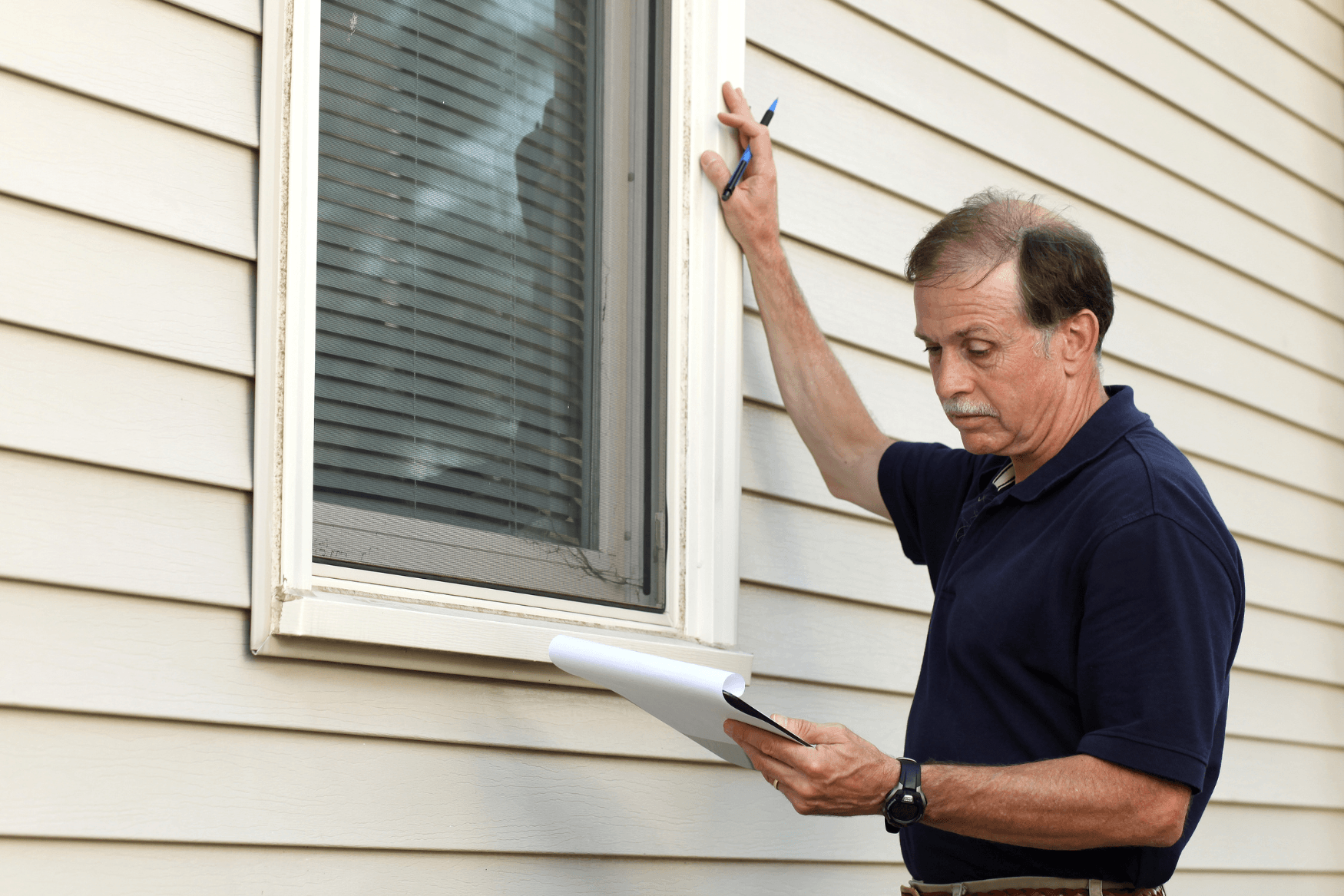
A home inspection is one of the best ways to determine what might impact a home's true value. With Bankrate reporting that over 40% of home buyers cite hidden costs and maintenance as their biggest post-purchase frustration, the inspection can offer significant peace of mind. When you start negotiating after a home inspection, the goal is to keep the deal moving forward while protecting your budget and peace of mind.
What should you focus on when negotiating after a home inspection, and how do you decide which items have priority? How should you present them, and how do you know where to focus the discussion?
Read on to discover the answers to these and a few of the strategies I use in Gig Harbor to keep negotiations calm, clear, and closeable.
Can You Negotiate After a Home Inspection?
Yes, this is common if the buyer is still within the inspection contingency period (a clause that allows renegotiation or walking away after an inspection) and discovers something to discuss. The seller is even encouraged to engage, as silence can push buyers away.
When the inspection report arrives, my team and I can help you identify which items are actionable, then decide if you want:
Repairs
Repair credits
Price adjustments
Contract changes
I recommend that buyers structure their negotiations around the key facts they learn during the inspection to maximize their chances of success. The more documentation they have, the better, as it helps demonstrate that a deal can still be fair to both parties, giving the seller more reason to say yes.
What Fixes are Mandatory After a Home Inspection?
While none are mandatory, I typically recommend that clients start by requesting repairs that protect their home's condition and value. Negotiating repairs after an inspection, for example, is commonplace to ensure you're not buying a home that's likely to lose value, and a focused request list is unlikely to surprise a seller.
You can then review your home inspection checklist for any items that are easy to confirm with a photo or invoice. Resolving as many items as possible before you move in helps you take that leap with minimal stress.
If the timeline is tight, consider requesting repair credits rather than asking them to perform the repairs. As a buyer, having the seller handle repairs can boost your confidence when the timeline is flexible. Meanwhile, credits keep the process moving faster than waiting for the seller to perform repairs.
When negotiations become complicated, I can help you weigh trade-offs and walk you through your contract terms so you're clear on who is responsible for repairs and follow-up inspections. The goal is a fair and straightforward deal and is simple to close.
Focus Your Goals When Negotiating After a Home Inspection
People often ask, after a home inspection, how to negotiate. I tend to remind people that asking for too much can create extra friction during negotiation, potentially reducing confidence in the sale on both sides. As such, it pays to stay selective in what you assert and back it up with evidence.
If you’re trying to pin down the average price reduction after home inspection, remember that it can depend heavily on what needs repairing. There is no set rule, so estimate this based on your quotes and the items affected.
I tend to open discussions with a proposed contract update document (an "addendum") and a short request list. Doing this starts the negotiation clearly and prevents ambiguity. The language should also be factual, and requests should be tied to inspection findings and clearly scoped to reduce the back-and-forths.
It doesn't even need to be existing damage to trigger a negotiation, as discovering moisture or ventilation issues could affect buyer confidence. This concern is especially true with waterside properties in Gig Harbor, where the goal is to keep the home feeling fresh and dry.
Ensure you also include a definition of "completed repairs" in the contract to avoid misunderstandings, and keep these solutions as simple as possible to avoid extending the repair duration. You need to be able to easily verify them with receipts, photos, or similar afterwards. If you have already sourced repairs, offer contractor quotes and contact details, if necessary, along with any deadlines they set.
When the Seller Is Not Willing to Negotiate After an Inspection
I typically ask for a home warranty to cover many home systems and appliances. Some common elements typically covered by such a warranty include:
Heating, electric, and plumbing components
Water heaters
Kitchen appliances (oven, dishwasher, etc.)
Built-in fixtures (microwaves, sinks, garbage disposal, etc.)
Washers and dryers
Coverage isn't universal, so treat it as one tool among many when discussing the specifics with the seller.
Centralizing the Conversation
If you find organizing the negotiations frustrating, try to separate emotion from the process and remember that you can always walk away if things don't go as you would prefer. If you would prefer, my team and I can organize the process for you, so you can continue with your daily life while we handle the details.
Make sure to keep communication focused. Use a single email thread to avoid juggling multiple narratives and to ensure every deadline is clear, removing all uncertainty.
Walking Away from the Deal
Sometimes a "no" can be more effective than any other communication, because it prevents a long back-and-forth that doesn't move you toward closing. If you are buying, you can walk away if the home no longer fits your plan at any time before the deadline. Remember that the goal is not about "winning" but about you and the other party both achieving an acceptable outcome.
If you need to walk away, send an email stating that you are exercising the clause that allows you to do so and provide any required evidence. If necessary, my team and I can help you do this, protecting your time and budget and allowing you to move on to your next step, whether or not that's another property.
Schulte & Co. Can Be By Your Side
Negotiating after a home inspection requires being certain and clear about several decisions, and handling them all before key deadlines can take a lot of work. Fortunately, my team and I have decades of experience between us in handling every step of the buying and selling process. With our concierge-style service, we can match our expertise to your specific needs in the moment.
If you want help handling the next step in the home-buying process, call me and let's talk about what you want taken off your hands.
FAQs About Negotiating After a Home Inspection
Can you negotiate after a home inspection?
What repairs should you prioritize after an inspection?
Should you ask for repairs or a credit?
What if the seller refuses to negotiate?
How much can you ask for after a home inspection?

About Paige Schulte
Paige Schulte is the founder of Schulte & Co. and a top-producing Realtor based in Gig Harbor, Washington. She’s known for her deep market insight, client-first approach, and community-driven real estate leadership across the South Sound. Learn more or get in touch to work with Paige.