7 Surprising Factors That Can Affect a Home Appraisal
In Summary:
- Some surprising factors that can affect a home appraisal include the use of specific measurement standards, the current market conditions, and the home's overall state and design, rather than its aesthetic.
- An appraisal will check the property’s permits and measure the square footage using common standards to provide your lender with an accurate valuation.
- If you feel the conclusion you receive is inaccurate, you can request a Reconsideration of Value (ROV) from your lender using additional data you provide.
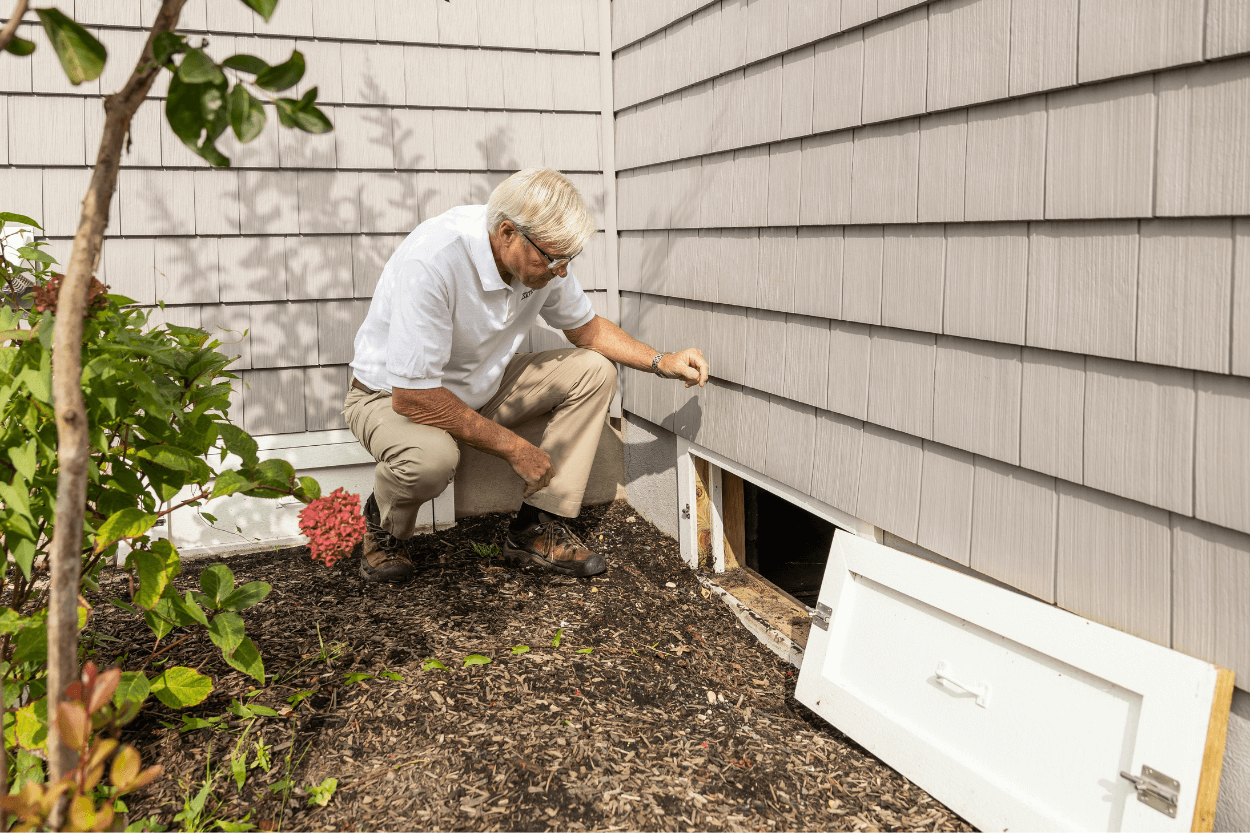
Understanding what appraisers look for when determining a property's value can be challenging. However, you want a result close to your expectations so you can plan your next steps. So, what’s the best way to avoid surprises?.
Below, we’ll show you the ins and outs of home appraisal by explaining what appraisers look for that might raise or lower the value they conclude in your report. Use our list to get the best value for your property and to decide whether you need to reconsider your strategy moving forward.
7 Surprising Factors That Can Affect a Home Appraisal
1. Property Location
Many factors related to the property site can affect the value of your home, as they impact the risk a buyer assumes and the costs they incur to maintain the property in good condition. Despite Gig Harbor’s strong market, these can still deter many buyers who might otherwise be willing to pay a higher price.
For example, with the local shoreline a key purchase factor for many Gig Harbor buyers, shoreline restrictions may limit what the local government will grant a permit for and crimp their plans for new docks or setbacks. As such, ensure you understand the local land-use policies and regulations that any new buyer should be aware of, in case they come up during a negotiation.
Another factor that potentially hurts a home appraisal is being in a FEMA Special Flood Hazard Area. If so, any buyer using a federally backed or federally regulated mortgage must obtain flood insurance before buying. It could significantly affect their budget, leaving fewer funds available to purchase any property within Gig Harbor’s Flood Hazard Area.
2. What Counts as "Living Area"
Appraisers use a specific set of standards when calculating the living area, which then affects the mortgage a lender will offer. County assessors, for example, typically do not use ANSI. In Gig Harbor, they follow the Washington Department of Revenue’s Revaluation Manual.
For many conventional loans, however, appraisers typically report the gross living area (GLA) using the ANSI Z765 industry standard. This alternate set of guidelines may yield a very different result, as they have different rules that define whether a space is a “living area” based on:
Whether a living space is above-grade
Ceiling height
Access
Contiguous livable space
Square footage
Appraisers also look for public records and builder plans and will compare what they find there with what you have reported and what they measure. You may find that areas become living space, or lose that status, depending on these measurements.
3. Unpermitted Additions
Major remodeling in Gig Harbor generally requires obtaining the appropriate permits. Without these, the unpermitted work may be excluded from the “living area” calculations, as described above. The list of elements that goes into an appraisal in this regard includes:
Permit status
Construction quality
Code compliance
Financing and insurance risk
A permit ensures that a seller has met all the requirements above. If you do not find one for specific work, consider obtaining a retroactive permit if you buy the property, but be aware that these can be costly and may require payment of 100% of the permit fee in addition to the original fee.
4. Convenient Home Layout
While the appraiser will not investigate the home’s aesthetic, they may consider its overall design. Several factors can lead to higher or lower demand for a home, thereby impacting your appraisal results. Some of the more common layout design faux pas to be aware of include:
Dead-end hallways
Awkward pass-through bedrooms
Chopped-up living areas
Poor sightlines
In general, a smoother, more convenient home tour is likely to lead to a higher appraisal.
5. Home Utility and Maintenance Needs
An appraisal will check on the home’s full suite of utilities and physical makeup, such as the:
Roof
Foundations
HVAC
Plumbing
Electrics
The appraiser will also use this step in the home-buying process to review maintenance logs and warranties, which can further support any estimates.
6. Market Data and Sale Timing
An appraiser will adjust sales, stripping out seller concessions and atypical terms, then compare the property to recent or pending sales or listings, and to market trends.
However, if you believe the appraiser selected poor or outdated comparisons, you can submit more recent or similar sales data as a “Reconsideration of Value (ROV)”. The lender should then review the appraisal and may adjust the value. However, a higher value is not guaranteed.
7. HOA Use Restrictions
An HOA can have a significant impact on the value of a home in several ways, including:
Placing specific limitations on the house’s use
Creating rental caps
Setting pet limits
Starting litigation against a homeowner
Requiring road or access maintenance
However, some specific, limiting HOA rules are more likely to lower appraisal values, whereas others (strong maintenance standards, well-run amenities) can increase the home's value.
Overcome the Most Surprising Factors That Can Affect a Home Appraisal
Depending on the appraisal’s conclusion, you may need to adjust your negotiation strategy or even submit an ROV as described above. Responding to some of the more surprising factors that can affect a home appraisal requires a firm hand and an experienced eye, and Paige Schulte is here to help you take them on.
Our locally recognized team can work with you to offer tailored closing strategies that ensure the results of your appraisal give you the best chance of getting the property of your dreams. So, get in touch with us here at Schulte & Co. today to discuss your next steps and get an appraisal you can trust.
FAQs: What Affects a Home Appraisal?
What hurts a home appraisal the most?
What do appraisers look for during an inspection?
What makes an appraisal come in low?
Can I challenge a low home appraisal?
What adds the most value to a home appraisal?

About Paige Schulte
Paige Schulte is the founder of Schulte & Co. and a top-producing Realtor based in Gig Harbor, Washington. She’s known for her deep market insight, client-first approach, and community-driven real estate leadership across the South Sound. Learn more or get in touch to work with Paige.