Due Diligence in Real Estate: What It Is and Why It Protects Buyers
In Summary:
- Due diligence isn't legally required, but it's your best protection — it covers the home inspection, title search, seller disclosures, property survey, and financing/insurance verification.
- A thorough inspection and title search can uncover hidden repair costs, boundary issues, or ownership problems before you're locked into closing.
- Zoning, HOA rules, school districts, and flood zones matter just as much as the property itself — they shape your long-term satisfaction and resale value.
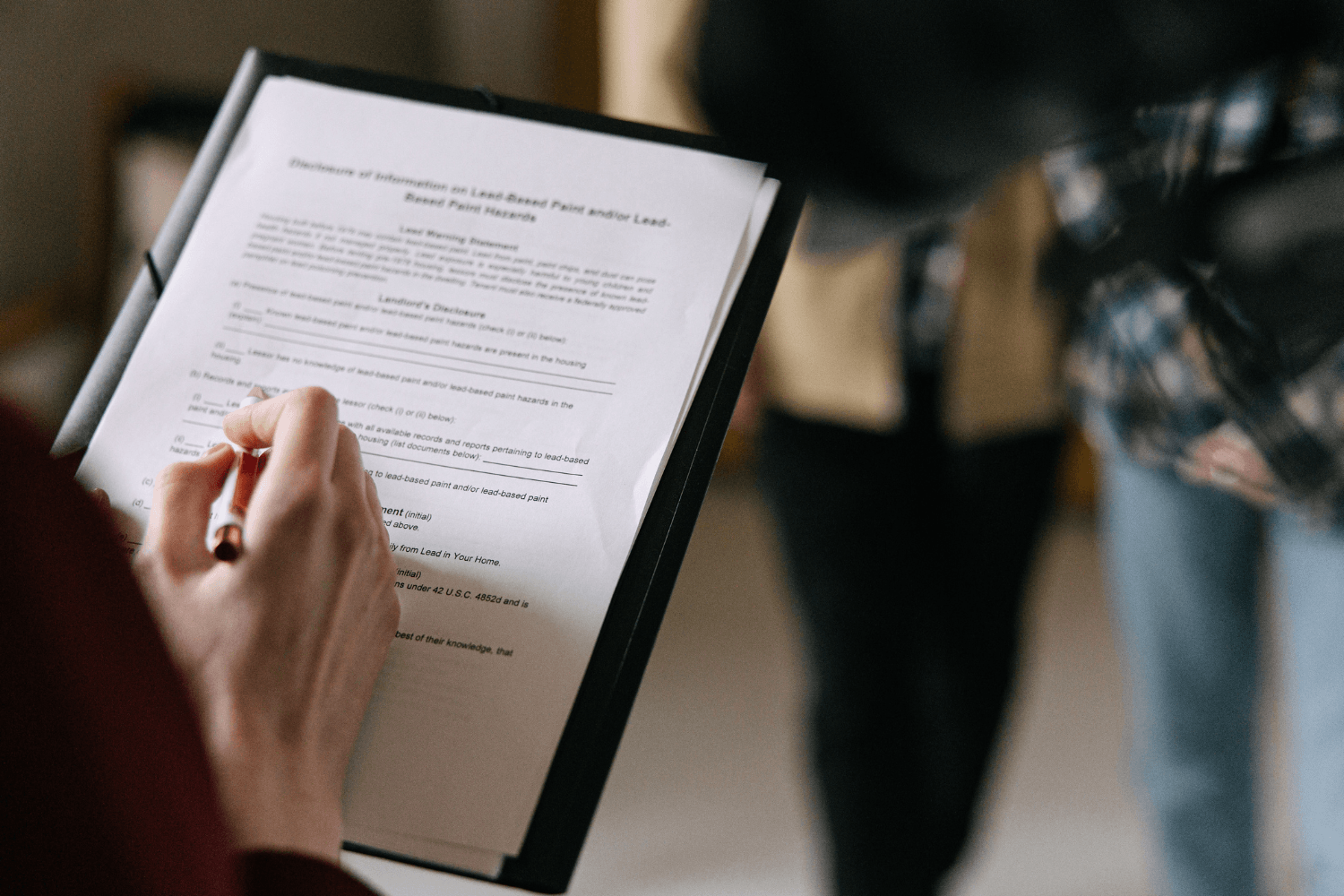
A 2024 survey from Clever Real Estate (covered by the National Association of Realtors) found that 82% of home buyers expressed regret about their recent property purchase. The top regret was buying a house that needed too much maintenance.
You don't want to follow in their footsteps, as this is a huge life milestone. So while due diligence in real estate isn't legally required, I wouldn't recommend skipping it at all. This is what you should know about the topic.
What Is Due Diligence in Real Estate?
The due diligence meaning in real estate is the process buyers use to thoroughly investigate a property before they commit to their purchase. Typically, it takes place during the inspection or due diligence period that's outlined in the purchase contract.
During this time, buyers can:
Review the home's condition
Inspect major systems
Verify legal ownership through a title search
Examine seller disclosures
Review surveys
Confirm there are no unexpected issues that could affect the property's value or usability
Essentially, this period lets you uncover problems before closing. Depending on the contract terms, you can either negotiate repairs, request credits, or even walk away from the transaction.
The Home Inspection Helps Reveal Hidden Problems
For real estate due diligence, a professional home inspection is one of the most valuable parts of the process, as it can find problems that may not be visible when you attend a showing. The inspectors evaluate these things:
Roof
Foundation
Electrical system
Plumbing
HVAC equipment
Insulation
Windows
Other major components
They'll also look for signs of moisture intrusion, structural movement, pests, or deferred maintenance.
Of course, no house is perfect, but if you understand its condition first, this allows you to estimate future repair costs and negotiate accordingly. These findings can lead to repair requests, seller concessions, or a revised purchase price. You may even be able to terminate the contract if your inspection contingency allows it.
Why a Title Search Is Essential Before Closing
Even the most gorgeous home can have legal problems if the property's title isn't clear. A title search can examine public records to confirm that the seller has the legal right to transfer ownership. It can also identify any liens, judgments, unpaid taxes, easements, or ownership disputes that are attached to the property.
I always stress to my clients that if there are unresolved title issues after closing, the new owner could inherit unexpected legal complications or financial obligations. But you can avoid this by working with title companies to resolve problems before closing and purchasing title insurance for additional protection.
Reviewing Seller Disclosures Can Prevent Costly Surprises
Seller disclosures can provide you with important information about known defects and past issues affecting the house. They can include:
Previous water damage
Roof leaks
Foundation repairs
Mold
Pest infestations
Plumbing issues
Renovations completed without permits
My recommendation is to carefully compare these disclosures with inspection findings and ask follow-up questions if something appears inconsistent or incomplete.
Property Surveys Confirm Boundaries and Potential Restrictions
A property survey verifies the exact boundaries of the land you're purchasing. It identifies structures, fences, easements, encroachments, and rights-of-way.
You may automatically assume that fences accurately reflect property lines, but surveys can sometimes reveal things that are crossing boundary lines or easements that can limit future improvements. So if you want to, say, install a pool or even landscape the property, it may not be possible!
Surveys can also uncover discrepancies between legal descriptions and actual property dimensions. If you find these early on, you can negotiate solutions rather than discover them after ownership transfers.
Financing and Insurance Should Be Verified Early
Due diligence goes beyond just the property's physical condition; you should confirm that financing remains on track and that the home qualifies for affordable insurance coverage before closing. For example, some lenders might need additional inspections or documentation if the appraisal identifies concerns, and insurance companies might charge higher premiums or deny coverage for older roofs, outdated electrical systems, flood risks, or prior claims history.
Gig Harbor's inland neighborhoods generally see low flood risk, but waterfront and near-shoreline properties can fall within FEMA-mapped flood zones — so it's still worth confirming a property's flood zone status and whether flood insurance is required.
Local Regulations and Future Development Matter Too
Due diligence also includes researching factors beyond the property itself. The main things I think you should review that may affect future property value or quality of life include:
Local ordinances
Planned infrastructure projects
Nearby developments
Other concerns that may not be obvious during a property tour are school districts, flood zones, utility availability, and environmental concerns. By understanding the broader community, this can help you make informed decisions that match your long-term goals.
Due Diligence Gives Buyers Confidence Before Closing
As you may already know, real estate purchases involve significant financial and legal commitments, and this makes due diligence one of the most important protections you can have as a buyer. Every step can give you valuable information that can help you make better decisions.
So don't just view this as a formality; instead, see it as an opportunity to ask questions, as well as request documentation, consult professionals, and carefully evaluate any concerns that come up. I promise that it's worth investing time in a thorough due diligence process, as it can reduce your financial risk and also give you greater confidence that you're purchasing a property that's what you think it is.
Don't Skip Due Diligence in Real Estate
Due diligence in real estate may not be a legally required process, but it'd be silly to skip. It gives buyers wonderful protection while they're buying a home, as they can get a clear understanding of a property's condition, ownership status, and long-term suitability.
Need a real estate agent to help with due diligence in Gig Harbor? Then get in touch with me now. My team and I are neighborhood experts, and we can get you in the house you want and deserve!
Due Diligence FAQs
What is due diligence in real estate?
What's included on a real estate due diligence checklist?
Can I back out of a home purchase during due diligence?
Do I still need a title search if I'm buying title insurance?
Does Gig Harbor have flood zones I should know about?

About Paige Schulte
Paige Schulte is the founder of Schulte & Co. and a top-producing Realtor based in Gig Harbor, Washington. She’s known for her deep market insight, client-first approach, and community-driven real estate leadership across the South Sound. Learn more or get in touch to work with Paige.